




Mission, Vision, and Values
Hope Fellowship’s mission is inviting everyone to follow Jesus and helping them move closer to the center of God’s purpose for their lives.
Our DNA is expressed through six branches:
- (1) A Church Inviting Everyone to Follow Jesus
- (2) A Church Where People Matter
- (3) A Jesus-Centered Church
- (4) A Church In the Community, For the Community
- (5) A Generous Church
- (6) A Healthy Church
Key Responsibilities
Shepherding and Pastoral Care:
- This role carries the primary pastoral responsibility for the congregation’s spiritual health and care. Hope has a formal pastoral care structure in place; the Lead Pastor is responsible for championing and strengthening this culture, not building it from scratch.
- Cultivate a relational, shepherd-first culture across all campuses
- Be present with and known by the congregation — not just the staff or leadership tier
- Oversee and strengthen Hope’s existing pastoral care systems
- Move toward hurting people personally, and model that posture for all staff.
Teaching and Preaching:
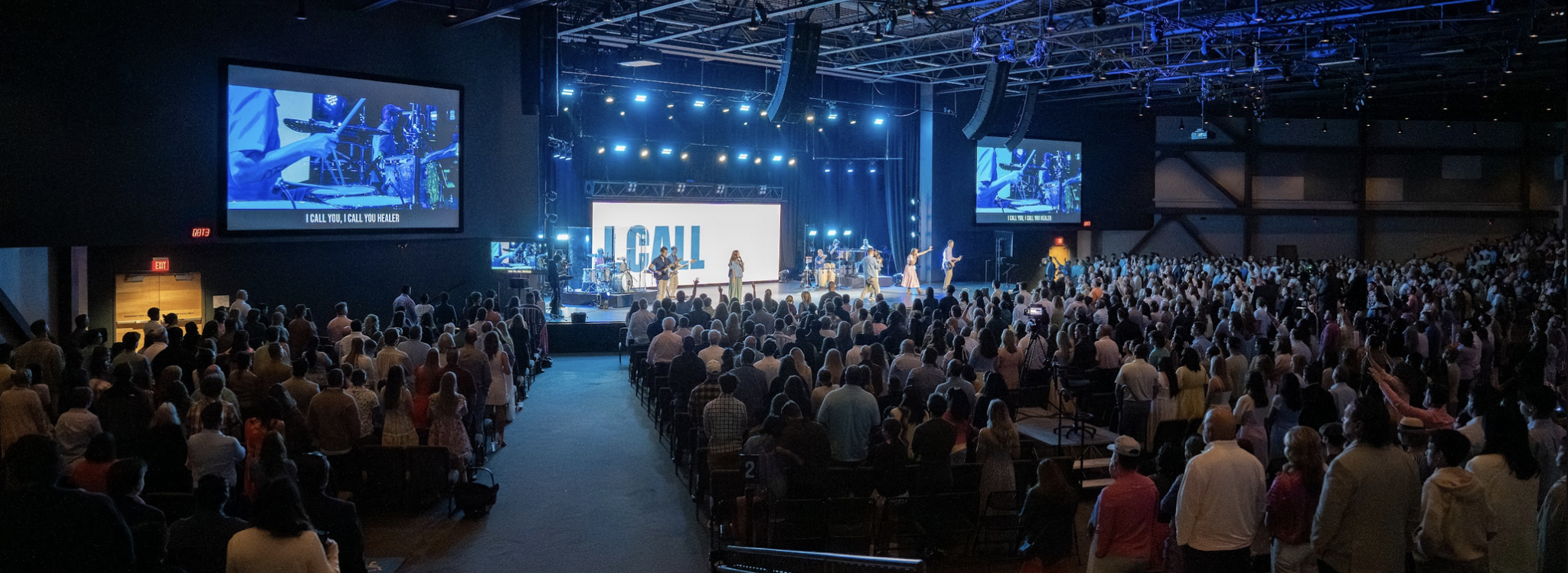
- The Lead Pastor serves as the primary teaching voice of Hope Fellowship. Messages are delivered live from the Frisco East campus and broadcast to all campuses and online. All campuses operate on a single unified teaching calendar, which the Lead Pastor owns and shapes throughout the year.
- We expect the Lead Pastor to teach a minimum of 26 and no more than around 36 weekends per calendar year under normal circumstances, with wisdom into other considerations. This range reflects:
- Pastoral sustainability: consistent sermon preparation at the highest level is demanding work; this range protects long-term health and effectiveness
- Team development: regular opportunities for other teachers invest in the next generation and keep the congregation accustomed to multiple voices
- Congregational consistency: a floor of 26 weekends ensures the Lead Pastor remains the clearly recognizable primary voice of Hope
- Flexibility: special circumstances (sabbatical, family, illness, or extraordinary calendar needs) may call for variance in a given year, subject to elder oversight
- Lead and shape the annual teaching calendar in partnership with the ELT: retaining editorial oversight even on weeks not teaching
- On non-teaching weekends, the pulpit is filled by a mixture of Teaching Pastors, campus pastors, and carefully selected guest speakers
- Preach with theological depth, pastoral warmth, and formational intent
- Develop and equip other teachers within the staff and congregation
Staff Leadership and Development:
- The Lead Pastor directly leads the Executive Leadership Team and sets the culture for all of Hope’s employees and volunteers.
- Directly oversee the Executive Leadership Team (2–5 members)
- Develop, coach, and care for ELT and the broader pastoral team — not just manage them
- Build a staff culture that reflects Hope’s DNA across all campuses
- Partner with ELT and HR to strengthen the annual staff review and compensation process
- Address underperformance with clarity and care
Vision and Strategy:
- The Lead Pastor is the primary steward and caster of Hope’s vision. In this season, Hope is not looking for someone to arrive with a vision already formed – we are looking for a visionary leader who will spend the first year listening, learning, and gathering everything there is to know about Hope’s past and present, so they can lead us collaboratively with the ELT & Board toward clarity on where God is calling us next.
- Hope’s current posture is depth over breadth — consolidating, going deeper, and investing in health and maturity before expanding. What success looks like at year 3 and year 5 will be discerned collaboratively between the Lead Pastor and ELT; the committee is not prescribing a destination so much as identifying a traveling partner.
- Clarify and articulate a compelling vision for Hope’s next season in close partnership with the ELT and Board
- Align staff, budget, and programming decisions with the mission and DNA
- Lead multi-campus strategy in partnership with campus pastors (through ELT) and elders
- Represent Hope Fellowship to the broader DFW community and church networks, Hope Fellowship is not affiliated with any denomination or network. The Lead Pastor is not expected to maintain or build any such affiliation.
Elder and Governance Partnership
- Hope’s governance model involves three distinct bodies working in partnership: the Board of Directors (governance and hiring authority), the Elder Team (spiritual discernment and congregational voice), and the Executive Leadership Team (day-to-day ministry leadership). The Lead Pastor operates at the intersection of all three.
- Serve as a voting member of the Board of Directors (not as Chair); hold the title of President of the Corporation
- Cultivate a relationship of trust, transparency, and mutual accountability with the Board
- Partner with the Elder Team in spiritual discernment and major decisions
- Participate in regular elder meetings and retreats
- Submit to the Board’s authority with humility while leading the staff with clarity
Key Qualifications
- Minimum: Meaningful staff leadership experience (leading leaders, not just individuals); demonstrated preaching ability; track record of integrity in prior ministry contexts; theological alignment with Hope’s convictions.
- Ideal: Seminary degree (MDiv or equivalent); multi-campus or multi-site ministry experience; experience navigating organizational transition; familiarity with DFW church culture.